
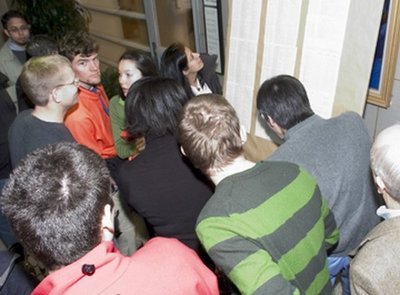
Of the 164 graduating students at the Ä¢¹½ÊÓƵ School of Medicine, 155 of them participated in the National Resident Matching Program’s “Match Day,” on March 15. The program pairs students with residency programs around the country. Another 10 students who had previously graduated from the Ä¢¹½ÊÓƵ entered the matching program this year. Ninety-six percent of the Ä¢¹½ÊÓƵ students matched with programs initially, and the remaining students secured positions in the post-match scramble.
There were 29 Ä¢¹½ÊÓƵ students who matched with Ä¢¹½ÊÓƵ-affiliated hospitals, and several more Ä¢¹½ÊÓƵ students will complete some or all of their residency years at other Puget Sound hospitals, such as Virginia Mason Medical Center. Another 18 Ä¢¹½ÊÓƵ students matched with either one-year or categorical programs within the WWAMI region.
Out of the Ä¢¹½ÊÓƵ graduating class, 45 percent went into primary-care specialties, such as family practice and internal medicine. The number of students matching with emergency medicine, 21, increased from 2005 and 2006, when only 14 and 15 students matched in that specialty. Pediatrics also saw an increase from previous years, with 26 students choosing that specialty this year compared to 23 last year and 16 in 2005. Slightly fewer Ä¢¹½ÊÓƵ graduates matched into anesthesiology, family practice, and internal medicine programs this year compared to the last two years.
The Ä¢¹½ÊÓƵ Graduate Medical Education programs also had a successful Match Day. These programs filled 179 of its 184 residency positions, with the remainder filled during the post-match scramble. Many of the Ä¢¹½ÊÓƵ residencies were quite popular with prospective residents. The Ä¢¹½ÊÓƵ Family Medicine Residency Network filled 94 percent of its residency slots through the match, which is very favorable compared to the United States overall, where about half of all family medicine residency slots are filled by graduating seniors. Thirteen Ä¢¹½ÊÓƵ graduates matched into positions in the family medicine network.
Family practice continues to be more popular among Ä¢¹½ÊÓƵ graduates than the national average. Less than 8 percent of the country’s graduating seniors matched into family medicine residencies, while the Ä¢¹½ÊÓƵ has seen between 11 percent and 16 percent of its graduating students go into family practice over the past three years.